

iPhone 17 Review: Finally 120Hz, But Is It Enough for Gamers?
It is late 2025. We have flying car prototypes (sort of), AI that can write poetry, and—miracle of miracles—a base model iPhone with a high refresh rate screen.
For years, I’ve been screaming into the void that charging $800 for a 60Hz screen was criminal. Well, the iPhone 17 is here, and Apple has finally graced us with “ProMotion” on the non-Pro model. But now that the 60Hz shackle is broken, is the iPhone 17 actually a viable gaming handheld, or are you still paying the “Apple Tax” for a fancy logo and a walled garden?
I spent two weeks with the iPhone 17 (256GB, Midnight Black) to see if it can handle long Warzone sessions or if it melts faster than my patience with skill-based matchmaking.
Design & Build Quality: The Slab Refined
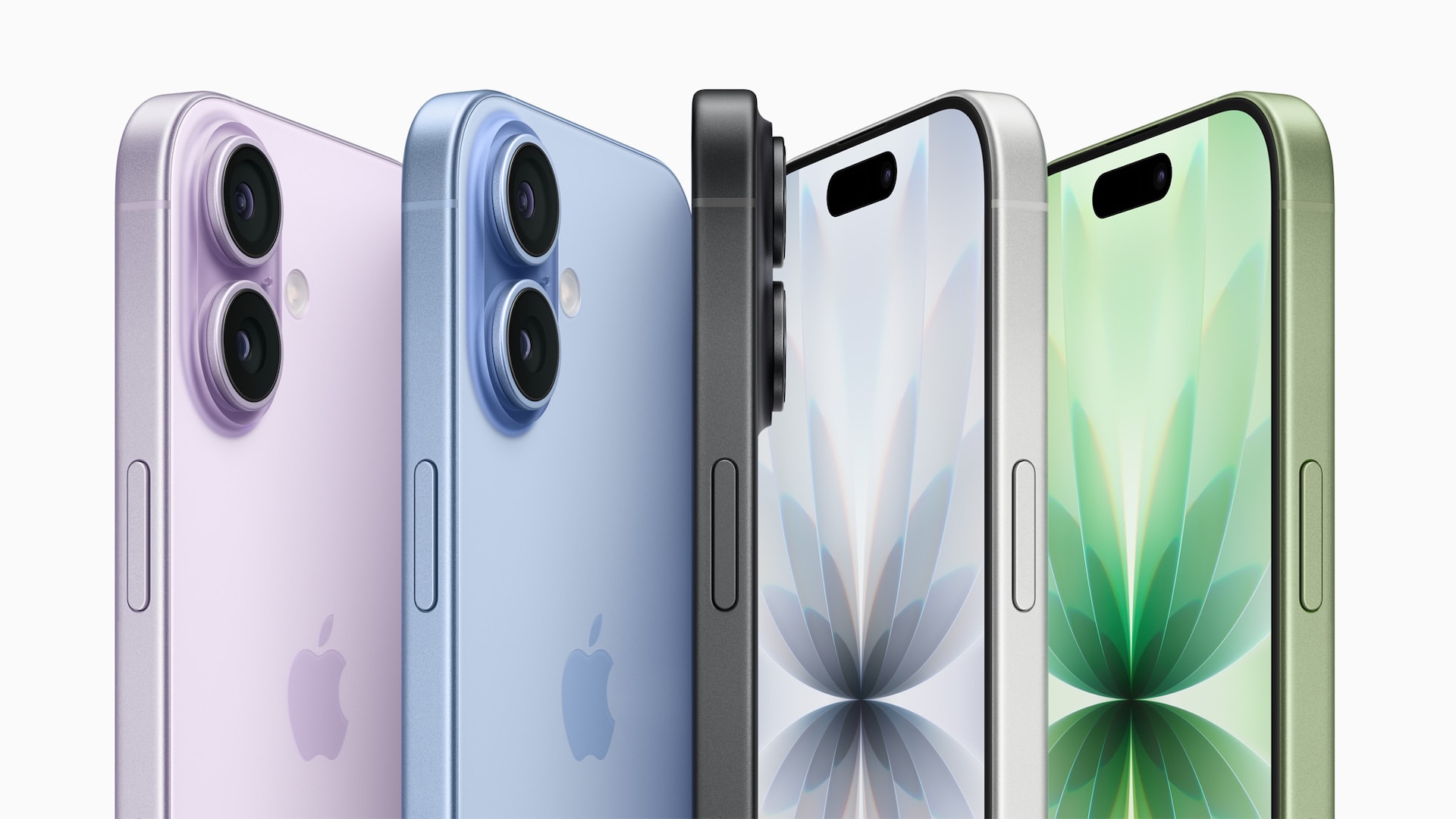
If you’ve held an iPhone in the last five years, you’ve held the iPhone 17. It’s a glass sandwich. It’s got an aluminum frame. It feels premium, sure, but it’s hardly exciting.
The big news is the screen. We’re looking at a 6.3-inch LTPO Super Retina XDR OLED. It’s gorgeous, obviously. The bezels are thinner—Apple claims they’ve shaved off nanometers, which I’m sure matters to someone, somewhere. The “Ceramic Shield 2” front glass is supposedly tougher, though I didn’t drop-test it on concrete because I have to return this unit.
What I don’t like? The camera bump. It still wobbles on a desk. Also, the inclusion of the “Action Button” and the “Camera Control” slider from the 16 series is welcome, but button clutter is becoming a real issue. I accidentally launched the camera three times while trying to crouch-spam in a shooter. Muscle memory will adapt, but it’s annoying.
The Camera Update: Center Stage & Streaming
While I usually gloss over camera specs in a gaming review, there is one feature here that mobile streamers will love: Center Stage. Apple has upgraded the front-facing TrueDepth camera to 18MP and finally enabled the tracking feature that’s been on iPads for years.
If you stream to Twitch directly from your phone or hang out in Discord video chats between matches, this is huge. The ultra-wide front camera now pans and zooms digitally to keep you in the frame. I tested this while pacing around my room waiting for a ranked match to queue, and the camera followed me perfectly. It turns the base iPhone into a surprisingly competent streaming rig without needing a dedicated gimbal.
Under the Hood: The A19 Beast
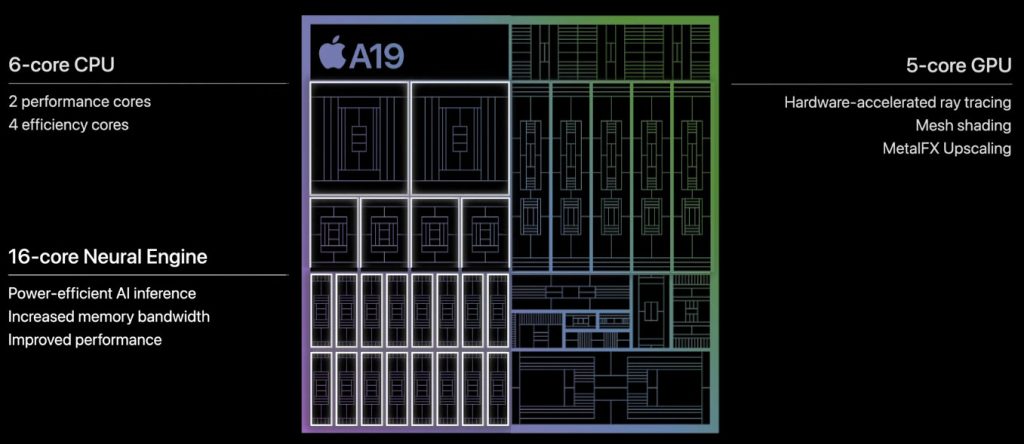
Here’s the nerdy stuff. Apple has equipped this thing with the A19 chip (3nm process).
-
CPU: 6-core (2 Performance, 4 Efficiency)
-
GPU: 5-core (with hardware ray tracing)
-
RAM: 8GB (Standard across the board now, thanks to AI demands)
-
Storage: Starts at 256GB. Thank you, Apple. 128GB in 2025 was an insult.
The A19 is a monster on paper. But as gamers, we know paper specs are for shareholders. We care about sustained clock speeds and thermal throttling.
The Gaming Experience: 120Hz or Bust
This is the section you’re here for. I threw the heaviest hitters at the iPhone 17. Here is the raw data.
Call of Duty: Warzone Mobile
-
Settings: High Graphics, Uncapped FPS
-
Performance: 115–120 FPS
-
Experience: This is where the new 120Hz screen shines. The input latency feels non-existent. Tracking targets is silky smooth compared to the stuttery mess of the iPhone 16. However, the phone gets toasty near the camera bump after match three.
Genshin Impact
-
Settings: Max Settings, 60 FPS Mode (Motion Blur Off)
-
Performance: 59 FPS Average
-
Experience: Rock solid for the first 20 minutes. After that, I noticed the screen brightness dim slightly—a classic Apple thermal safety measure. It didn’t tank the frame rate, but losing 10% brightness in a dark domain is irritating.
Assassin’s Creed Mirage (Native iOS Port)
-
Settings: High, MetalFX Quality
-
Performance: 38–42 FPS
-
Experience: It’s playable, and it looks like a PS4 game, which is wild for a phone. But don’t expect 60 FPS here unless you drop settings to Medium-Low. The hardware ray tracing looks nice in puddles, but it eats battery like it’s starving.
Resident Evil Village
-
Settings: Balanced
-
Performance: Solid 60 FPS
-
Experience: Surprisingly optimized. The OLED blacks make the horror elements pop.
The Verdict on Gaming: The A19 is powerful enough to brute-force almost anything, and the 120Hz screen finally makes shooters competitive. But thermal management on the base model isn’t as robust as the vapor chambers rumored in the Pro models. It gets hot.
Daily Drivers: iOS 26 and “The Blob”
Let’s talk about the software. We are on iOS 26 now (Apple switched to year-based naming, remember?).
iOS 26 is… fine. It’s smooth. The new “Apple Intelligence” features are everywhere. Siri is smarter, but she still interrupts me when I’m talking to my cat.
The bloatware situation is getting weird. Apple pre-installs a suite of “AI Creative” apps that I will never use. You can delete them, but it’s the principle.
Battery Life: The 3,692mAh cell is decent. I got about 6 hours of screen-on time with mixed usage (web browsing, Reddit, email). Gaming kills it in about 3 hours.
Charging: This is my biggest gripe. It’s 2025, and we are still capped at roughly 27W wired charging speeds? It takes over an hour to fill this thing. My backup Android phone charges in 18 minutes. Do better, Apple.
Is It Worth It?
If you are an iPhone user sitting on an iPhone 13 or 14, yes. The jump to a 120Hz screen is the single biggest upgrade you will feel day-to-day. It makes scrolling, gaming, and even navigating menus feel premium. The A19 chip is future-proof for at least 4 years.
If you are on an iPhone 15 Pro or 16 Pro? Skip it. You already have the high refresh rate, and the performance jump isn’t worth $799.
For gamers specifically: This is finally a “base” iPhone I can recommend without feeling guilty. It runs high-refresh games natively and doesn’t cost the $1,100 asking price of the Pro. Just buy a phone cooler if you plan to play Warzone competitively.