

iPhone 17 Pro Max Review: Finally, a “Pro” Phone That Doesn’t Melt
Let’s get one thing straight: I don’t care about the new “Cosmic Orange” colorway, and I certainly don’t care about the slightly thinner bezels that Apple spent twenty minutes eulogizing during the September keynote. I care that for the last three years, “Pro” iPhones have throttled themselves into oblivion the moment you tried to play a game more demanding than Candy Crush.
The iPhone 17 Pro Max, released back in September, promised to fix that with a dedicated vapor chamber and the new A19 Pro chip. It’s been three months since launch.I’ve been daily driving this $1,299 slab of glass and metal to answer one question: Can it actually replace a handheld console, or is it just another expensive hand warmer?
Design & Build: The Big Chill
First off, this thing is massive. The screen has stretched to 6.9 inches, making the 16 Pro Max feel almost… manageable? It’s a two-handed device, period. If you have small hands, stop reading and go buy the standard 17 Pro.

The headline design change isn’t visible. It’s the vapor chamber cooling system. For years, Android flagships have used these to dissipate heat, while Apple stubbornly relied on graphite sheets and hope. The result? The 17 Pro Max is slightly thicker (8.8mm) than its predecessor. Good. I’ll take a millimeter of girth over thermal throttling any day.
Externally, the “Plateau” camera bump is now a horizontal expanse that prevents the phone from rocking on a table, which is a nice accidental feature. The chassis has shifted to a refined aluminum-titanium hybrid that feels less dense but dissipates heat more effectively than the pure titanium bands of the 15 and 16.
Under the Hood: The Specs
Here is what you are paying the “Apple Tax” for:
-
Chipset: A19 Pro (3nm process)
-
RAM: 12GB LPDDR5X (Finally upgraded from 8GB)
-
Storage: 256GB NVMe (Base model)
-
Display: 6.9-inch Super Retina XDR, 120Hz ProMotion
-
Battery: 5,000 mAh
-
Connectivity: Wi-Fi 7, USB-C (Thunderbolt 4 speeds)
The jump to 12GB of RAM is the real story here. While Apple screams “AI,” gamers know this means higher texture resolution and better background asset retention. The A19 Pro benchmarks roughly 15% higher in single-core speeds than the A18, but the GPU raw performance has jumped nearly 40%. That’s a generational leap, not a refresh.
The Gaming Experience: Frame Rate Police
I didn’t run Geekbench five times; I played games until my eyes hurt. Here is the real-world data, measured after 30 minutes of continuous play to test that vapor chamber.
Call of Duty: Warzone Mobile
-
Settings: High Graphics, Uncapped FPS
-
Performance: 118-120 FPS
-
Notes: On previous iPhones, this game would dim the screen after 15 minutes due to heat. On the 17 Pro Max, the screen stayed at full brightness for an hour. The back gets warm, but not “drop the phone” hot.
Assassin’s Creed Shadows (iOS Port)
-
Settings: Medium-High, MetalFX Quality
-
Performance: 45-50 FPS
-
Notes: It’s playable, which is a miracle for a handheld running a current-gen console title. The A19 Pro struggles slightly in dense city crowds, dropping to the low 40s, but VRR (Variable Refresh Rate) smooths it out.
Genshin Impact
-
Settings: Max Everything, 60 FPS
-
Performance: Locked 60 FPS
-
Notes: This is the gold standard. Zero stutters. The 12GB RAM overhead means fast travel doesn’t result in texture pop-in.
Resident Evil 4 Remake
-
Settings: High Preset
-
Performance: Solid 60 FPS
-
Notes: A flawless experience. The vapor chamber is doing heavy lifting here; the sustained clock speeds on the GPU are flat lines, not the roller coasters we saw on the iPhone 16.
Daily Drivers: Living with the Beast
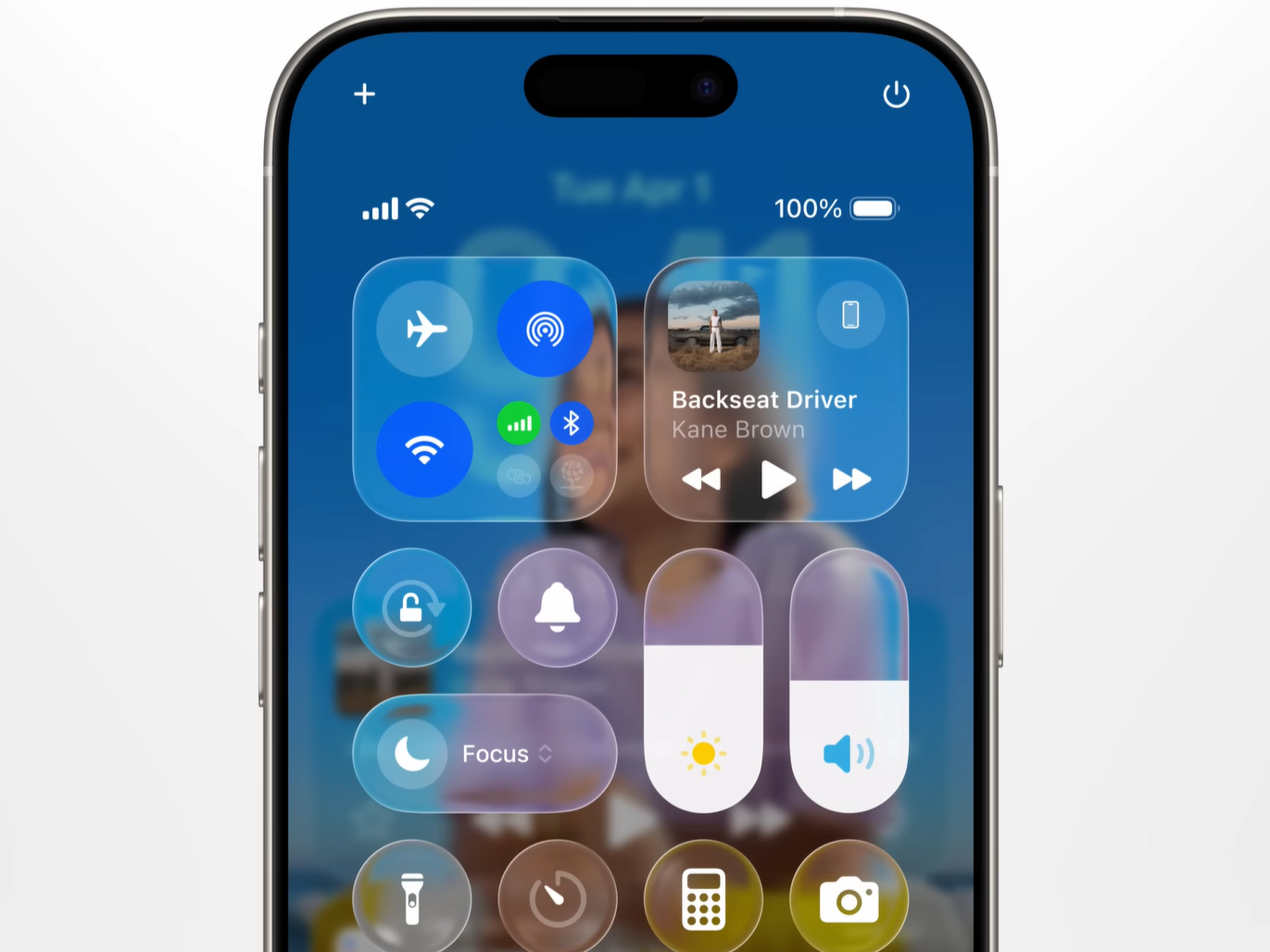
Outside of gaming, the 17 Pro Max is… an iPhone, but the software has finally caught up to the hardware. iOS 26 is “Liquid Glass,” and I don’t mean that metaphorically. The new design language introduced at WWDC is jarring at first, but incredibly satisfying. The interface feels like overlapping sheets of refractive glass; when you drag down the Control Center, the icons don’t just slide—they refract the wallpaper behind them, distorting light in real-time. Buttons have a “viscous” quality, jiggling slightly under your thumb like surface tension before popping. It’s arguably just eye candy, but the “Dynamic Transparency” makes the phone feel like a living, breathing object rather than a static screen.
Thermals & Noise:
It’s a fanless phone, so it’s silent. But thermally, it’s a revelation. Browsing the web, watching 4K YouTube, or editing photos in Lightroom doesn’t generate heat. The vapor chamber works both ways—it keeps the chip cool under load and spreads the heat so you don’t get a “hot spot” near the cameras.
Battery Life:
The 5,000 mAh battery is a monster. I pulled the phone off the charger at 7:00 AM. After a day of mixed use (emails, Slack, 1 hour of Warzone, Spotify), I hit 10:00 PM with 28% battery left. If you don’t game, this is easily a two-day phone.
The Cameras:
I’m a gaming journalist, not a photographer, but the new 48MP tetraprism telephoto (8x optical zoom) is impressive. You can zoom in on your teammate’s failures from a mile away with crisp detail.
Is It Worth It?
If you are currently holding an iPhone 15 Pro or older, the upgrade is substantial purely for the thermal management. The performance consistency is the “feature” you can’t see on a stat sheet but feel immediately.
However, $1,299 is a steep ask. If you don’t play AAA mobile ports or care about 120Hz gaming, the standard iPhone 17 (which also got a 120Hz screen this year, finally) is $400 cheaper. But for the enthusiast who wants the highest frame rates without an external cooler, the 17 Pro Max is the current king of the hill.